
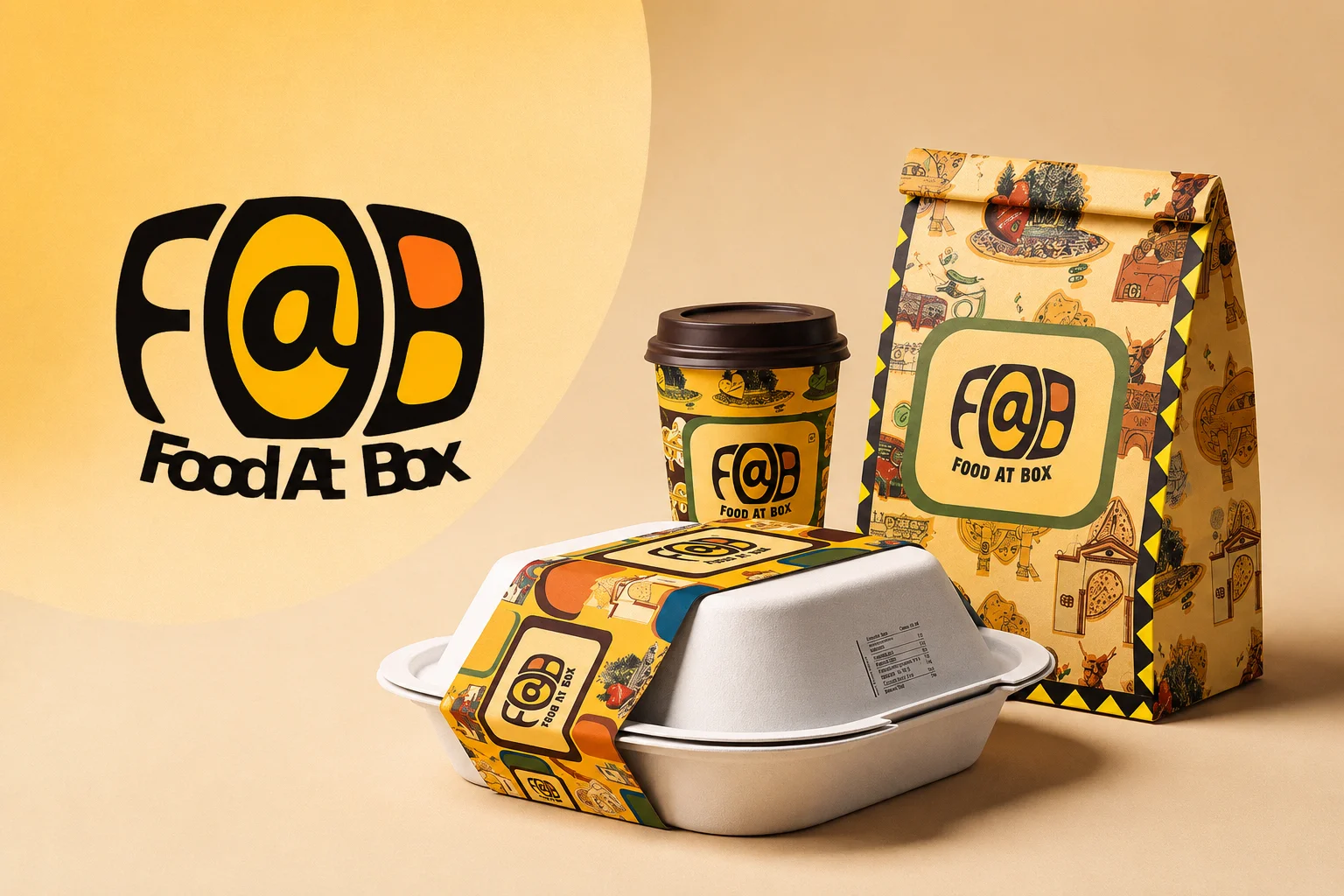
Graphic Design INDIA · 2026 EDITION Food At Box: Creating a Distinctive Identity in a Competitive Food IndustryBloomX EditorialGraphic Design📅
If your website isn’t ranking despite publishing content regularly, the problem likely isn’t your content volume – it’s your on-page SEO checklist. In 2026, Google’s algorithm has become sharper, faster, and far less forgiving of half-measures. The sites climbing to Page 1 aren’t just writing more – they’re optimising smarter.
Whether you’re a website owner trying to drive more organic traffic, a blogger building authority in your niche, or part of an in-house SEO team managing dozens of pages – this checklist covers the 15 on-page SEO ranking factors that are actively moving the needle right now.

PFC Club – an online fitness platform offering personalised training and coaching – came to BloomX Business Solutions struggling with stagnant keyword rankings, low domain authority, and limited organic visibility for competitive terms like “online personal trainer” and “fitness coaching.”
Within just 3 months of implementing this exact on-page SEO framework alongside a broader SEO strategy:
PFC Club isn’t a one-off success story either. Flashaid – a healthcare and emergency services platform – saw dramatic improvements in local and category-specific rankings after a structured on-page overhaul. And GemsMantra, a gemstones and crystals e-commerce brand, went from virtually invisible in organic search to consistently ranking for high-intent product and collection keywords – all by fixing the fundamentals you’re about to read.
Your title tag is still one of the most powerful on-page SEO signals available. In 2026, Google frequently rewrites title tags it considers irrelevant – so your job is to make yours impossible to ignore.
For PFC Club, simply updating meta titles across all website pages with targeted keywords was one of the first and most impactful steps that kickstarted their ranking improvements.
Checklist:
Meta descriptions don’t directly impact rankings, but they control your click-through rate (CTR) – which does. A higher CTR signals relevance to Google and gradually improves your position over time.
Checklist:
Header tags create content hierarchy – for both readers and crawlers. Your H1 should appear exactly once, containing your primary keyword. H2s and H3s should use secondary keywords and LSI terms naturally throughout.
Checklist:
Page speed SEO has been a ranking factor for years, but in 2026 it’s a baseline expectation. Google’s Core Web Vitals – LCP, INP, and CLS – are non-negotiable for competitive rankings.
Checklist:
Tool Tip: Use Google PageSpeed Insights and the Core Web Vitals report in Google Search Console to audit your scores regularly.

Google indexes the mobile version of your site first. If your mobile experience is broken, cluttered, or slow – your rankings will reflect it without exception.
Checklist:
Internal links distribute page authority, guide crawlers through your site, and keep users engaged longer – all of which directly support on-page optimization goals.
When BloomX restructured PFC Club’s internal linking to improve site architecture, it directly helped search engines crawl and index key pages more efficiently – contributing to faster ranking improvements across fitness-related terms.
Checklist:
Images without optimisation are missed ranking opportunities. Alt text helps Google understand your visuals – and it’s a direct SEO ranking factor for image search.
For PFC Club, optimising image names and implementing ALT tags across the website improved both accessibility scores and keyword relevance across their pages. For GemsMantra, proper image naming and compression of product photos played a significant role in their product pages gaining traction in both image and organic search.
Checklist:
In 2026, keyword density is dead. What matters is topical coverage – does your content comprehensively address the user’s intent using natural language, related terms, and entities?
Checklist:
Google’s E-E-A-T framework (Experience, Expertise, Authoritativeness, Trustworthiness) now directly influences how your content is evaluated – especially in competitive niches.
For Flashaid, establishing clear E-E-A-T signals was critical – the healthcare space demands demonstrated expertise and trustworthiness before Google will confidently rank your pages. Strengthening author credibility and sourcing authoritative references was a non-negotiable part of their strategy.
Checklist:
Clean, readable URLs improve both user experience and crawlability – a small but consistently rewarding on-page SEO win.
Checklist:
Google rewards content that stays current. In fast-moving niches – SEO included – a post from 2022 without updates will consistently lose to a freshly revised 2026 version.
Checklist:
Structured data helps Google understand your content and can unlock rich results – star ratings, FAQs, how-tos, and breadcrumbs – that dramatically increase CTR without changing your rankings directly.
For GemsMantra, implementing product schema on gemstone collection pages helped their listings appear with enhanced details in search results, improving visibility and click quality for high-intent buyers.
Checklist:
HTTPS has been a confirmed ranking signal since 2014 – in 2026, it’s simply the price of entry. But beyond HTTPS, a few other technical signals fall squarely under on-page responsibility.
Checklist:
Google’s systems observe how users interact with your page – dwell time, scroll depth, and return-to-SERP rates all feed into ranking quality assessments.
The impact of getting this right is measurable. After BloomX improved content structure and relevance across PFC Club’s website, their bounce rate dropped by 15% – a direct signal that users were finding exactly what they came for and staying longer to engage with it.
Checklist:
This is arguably the most critical factor in 2026. If your content doesn’t match what the user actually wants when they search your keyword – no amount of technical optimization will save it.
Checklist:
# | Factor | Priority |
1 | Title Tag Optimisation | High |
2 | Meta Description CTR | High |
3 | Header Tag Hierarchy | High |
4 | Page Speed & Core Web Vitals | High |
5 | Mobile-First Design | High |
6 | Internal Linking | Medium |
7 | Image Alt Text & Compression | Medium |
8 | Keyword Placement & Semantic SEO | High |
9 | E-E-A-T Signals | High |
10 | URL Structure | Low |
11 | Content Freshness | Medium |
12 | Schema Markup | Medium |
13 | HTTPS & Technical Signals | High |
14 | UX & Engagement Signals | Medium |
15 | Search Intent Alignment | High |

There’s no single magic fix in SEO – but there is a compounding effect when you apply every factor on this list consistently. Start with the highest-impact items: title tags, page speed, search intent alignment, and content depth. Then layer in the rest systematically.
PFC Club went from stagnant rankings to Page 1 in 3 months. Flashaid built search authority in one of the most competitive digital spaces – healthcare. GemsMantra turned optimised product pages into a steady stream of high-intent organic traffic. None of it happened by accident – it happened because the fundamentals were done right, every single time.
That’s exactly what this checklist is built for.
You now have the complete on-page SEO checklist – but knowing what to do and having the time and expertise to execute it are two very different things.
At BloomX Business Solutions, we don’t just hand you a checklist – we work through it with you, page by page, factor by factor, until your website is built to rank.
Two ways to get started today:
Don’t let a competitor take the ranking that should be yours. The checklist is in your hands – now let BloomX help you execute it.

READY TO SCALE SMARTER
Stop guessing.
Start compounding.
Book a free strategy call with BloomX and see what AI-powered performance marketing can do for your ROAS – or explore what we’ve built for brands like yours.
Graphic Design INDIA · 2026 EDITION Food At Box: Creating a Distinctive Identity in a Competitive Food IndustryBloomX EditorialGraphic Design📅
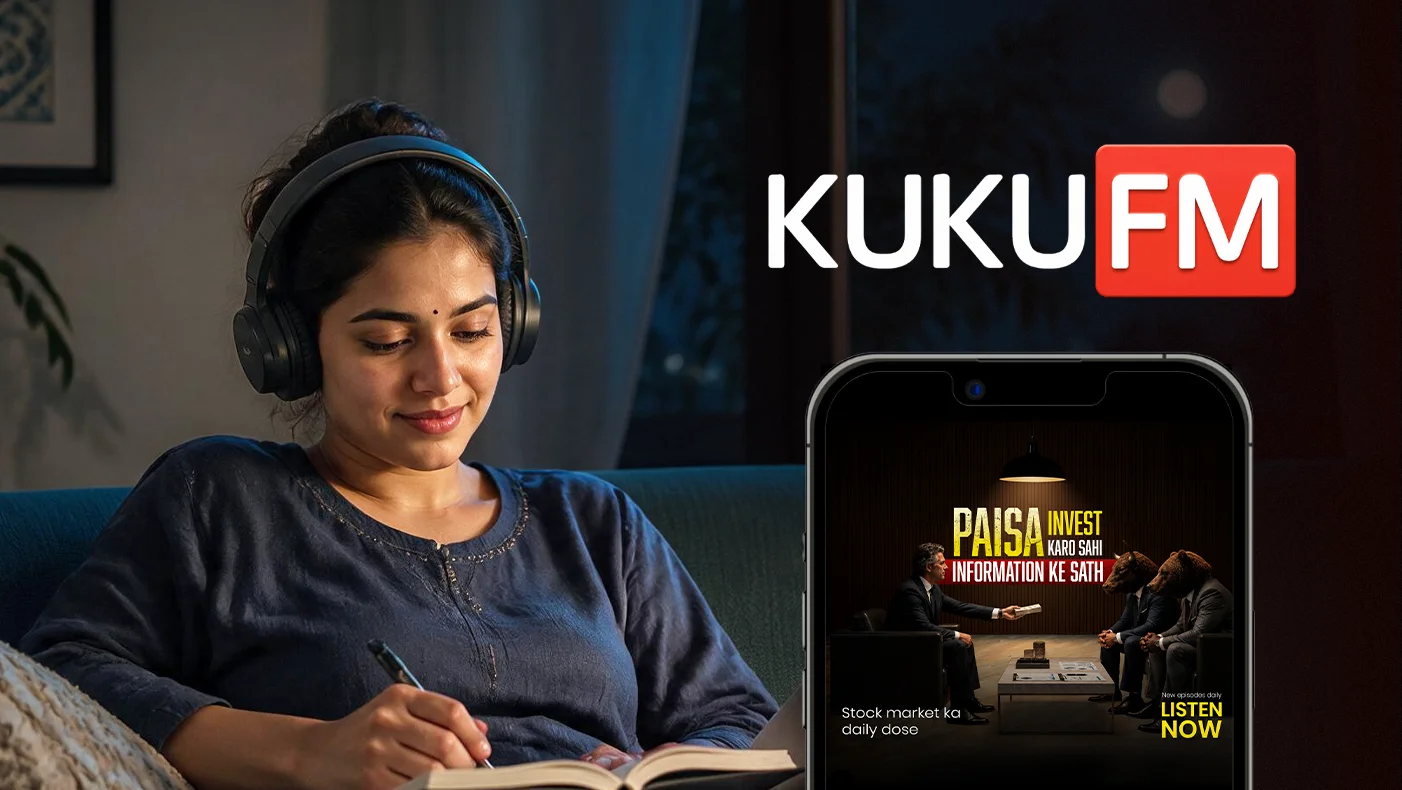
Graphic Design INDIA · 2026 EDITION How Kuku FM Built a Distinctive Brand Through Strategic Creative Thinking BloomX Editorial Graphic

Digital Marketing INDIA · 2026 EDITION Why Small Businesses Need Digital Marketing BloomX Editorial Digital Marketing 📅 October 2026⏱ 12