

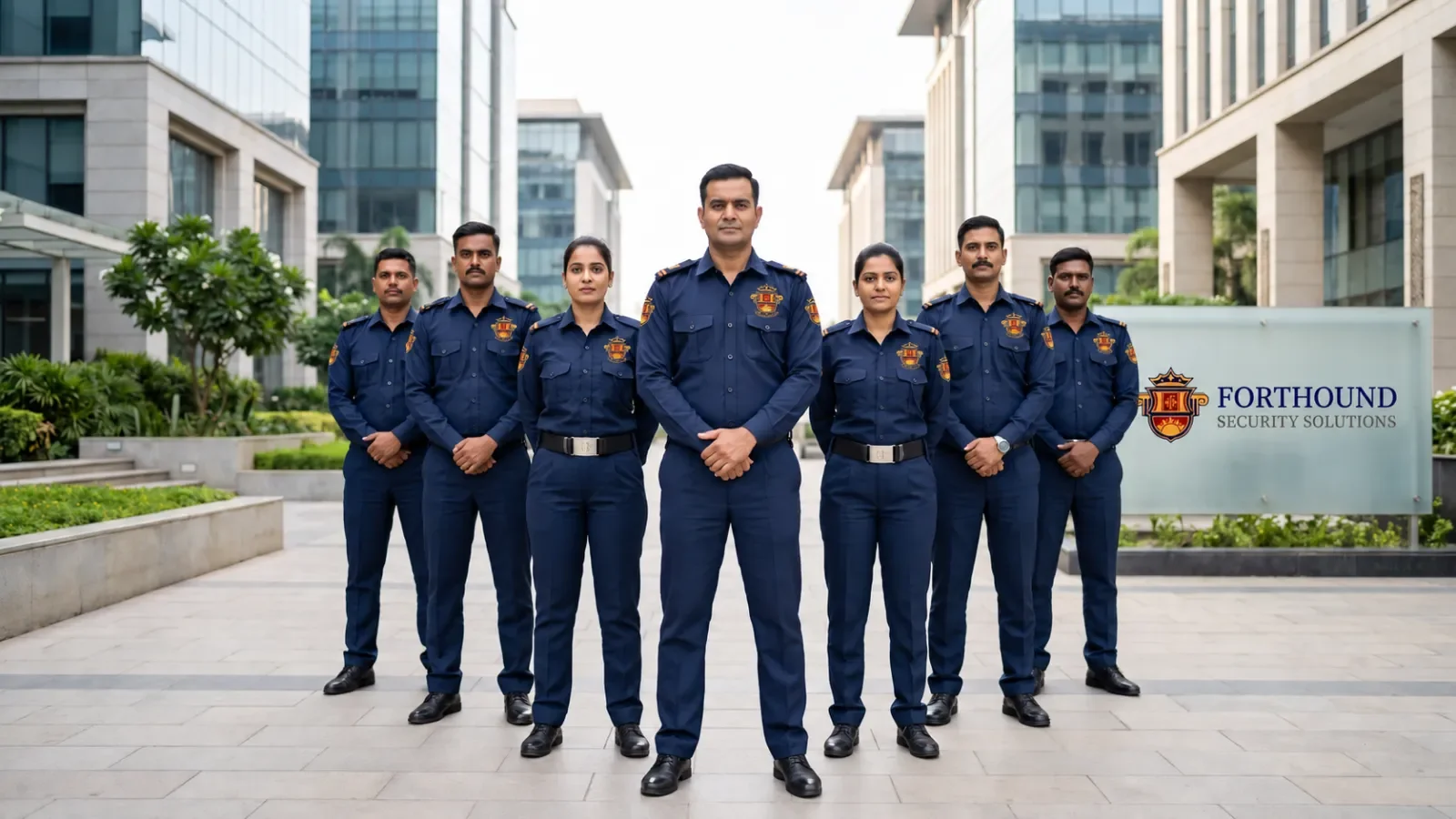
Brand Strategy INDIA · 2026 EDITION Security Company Branding: How FortHound Built a Premium Brand Around Trust, Valour and DutyBloomX
A handwoven carpet that takes months to make won't sell itself on a phone screen. Neither will a sculpted piece of tableware that looks stunning in a showroom and flat in a badly lit product photo.
That was the gap Opulin brought to us.
Opulin, part of Sources Unlimited and led by Dhara Shroff, already had the reputation. It had European elegance, an artisanal catalogue of sculptures, fine tableware, luxury bath décor, handwoven carpets, signature fragrances, curated books and exclusive gifts, plus years of trust with buyers who walked into its spaces. What it didn't have was a digital presence that matched any of that.
At BloomX, we built a luxury brand digital marketing system for Opulin that covered the online store, content, SEO, paid campaigns and customer communication. The outcome was +86% Instagram growth, 3.7M + views on viral CGI campaigns, 15% of leads qualifying as sales ready and a 60% returning visitor rate.
Here's how each piece came together, and what you can borrow if you run a premium brand.
Luxury buyers research quietly before they spend. They scroll Instagram at night, compare collections on their phones and search for things like "luxury furniture brands in India" long before they visit a store. If your brand isn't visible and credible at those moments, the offline reputation you've spent years building simply doesn't show up.
Opulin had exactly this problem. There was no e-commerce platform, so the products couldn't be bought or even properly explored online. Social media engagement was minimal and audience connection was weak. Brand recall online was low, and there were very few trust signals for someone discovering Opulin for the first time.
Two other gaps made it harder. There was no structured digital strategy for attracting and keeping high value customers, and there were no automation tools, so personalised follow ups depended entirely on manual effort.
In short, Opulin needed its online identity rebuilt from the ground up, without losing the refinement its offline customers already knew.
We started with the website because every other channel would point back to it. A luxury buyer who clicks an ad and lands on a cluttered page leaves in seconds.
So we designed Opulin's e-commerce store as a digital flagship. The interface was clean, with smooth navigation that made browsing feel effortless. Every product got high resolution imagery and storytelling descriptions that explained the craft behind it, so a carpet read as an heirloom piece rather than a SKU.
Smart filters and search helped customers find what they wanted quickly. We also integrated CGI videos and 3D visualisations that placed products inside realistic rooms, which let shoppers picture a sculpture on their own console table before buying it.
The store stopped being a catalogue. It became a place people wanted to spend time in.

Turning Social Media Into a Storytelling Hub With CGI
Opulin's social presence was static when we came in. Product posts went up, and not much happened.
We repositioned the brand's Instagram as an aspirational storytelling hub for affluent audiences. That meant professional shoots, lifestyle photography and curated video campaigns that showed each product as part of refined living. It also meant blogs and design inspiration articles that gave Opulin a voice on interiors, and interactive formats like polls, Q&As and live sessions that turned passive followers into participants.
The biggest lever was CGI. In a crowded luxury décor feed, CGI reels let us show products in impossible, eye-catching settings while keeping them beautiful and true to the brand. These campaigns went viral, crossing 3.7M+ views (over 37 lakh) and pushing Opulin's visibility far beyond its existing customer base.
Instagram grew by 86%. More importantly, that growth came from people who cared about design, which is exactly the audience a luxury brand wants.
Social media builds desire. Search captures buyers who are already looking.
We ran in depth keyword research around premium queries such as "luxury furniture brands in India" and "luxury lighting store in Mumbai". Then we built an SEO-first blog library of 25+ articles that blended storytelling with discoverability, so each post was worth reading and worth ranking.
Six or more of those blogs reached Page 1 and Page 2 of Google, bringing in steady organic traffic. We also cleaned up technical SEO, metadata and schema for long term search health. Across the site, visibility improved for 90+ luxury related keywords, including niche terms and brand specific searches like Fiorwood and Rometti.
When an affluent buyer searched for what Opulin sells, Opulin started showing up.
In luxury, a thousand cheap leads are worth less than twenty serious ones. So our performance marketing was built to filter, not just to collect.
We ran Google and Meta campaigns with precise targeting for design enthusiasts and high income segments. Custom and lookalike audiences kept spend efficient, and remarketing layers brought warm prospects back. Dedicated landing pages turned clicks into proper inquiries, while instant offer hooks and lead magnets encouraged sign ups. We tailored ad creatives to each audience cluster, which improved click through rates and lowered cost per acquisition significantly.
The quality showed in the numbers: 15% of leads qualified as sales ready. For a high ticket category where most inquiries are early stage browsers, that's a pipeline a sales team can actually work with.
Luxury buyers expect to be remembered. That's hard to do by hand once lead volumes grow.
We built a WhatsApp automation framework with curated updates and personalised follow ups. Alongside it, we designed exclusive email journeys with collection previews, design insights and early product access. The goal was a VIP feel at every touchpoint, so nothing read like a mass broadcast.
This is where the 60% returning visitor rate comes from. When six in ten visitors come back to the site, it tells you the relationship doesn't end after the first click. Content kept giving them reasons to return, and automation made sure they got those reasons at the right time.
Opulin's offline authority was one of its biggest assets, and much of it lived at design events.
We documented and promoted Opulin's participation at Salone del Mobile Milano, iD Mumbai and Design Milestone. Behind the scenes coverage, designer spotlights and curated event content turned each appearance into a social first campaign. Someone who'd never been to Milan could still see Opulin standing among global design names.
That's how offline prestige becomes digital recall.
Put together, the work turned Opulin into a digitally influential luxury brand without diluting its heritage. Instagram grew by 86%, building a highly engaged luxury audience. Viral CGI campaigns crossed 3.7M+ views, amplifying visibility well beyond existing buyers. 15% of leads became sales qualified, giving the team a pipeline of serious prospects. And a 60% returning visitor rate showed that people who found Opulin online kept coming back.
On the search side, Opulin gained visibility for 90+ luxury keywords and saw 6+ blogs rank on Pages 1 and 2 of Google. Its presence at major global design events also reached audiences who would never have seen it otherwise.
You don't need Opulin's exact catalogue to use the same playbook. Four lessons stand out.
Build the website first, because every campaign lands there. Use visual formats like CGI to make premium products stand out in feeds where everything looks polished. Measure lead quality, not lead count, since a sales qualified percentage tells you far more than raw volume. And treat returning visitors as your real loyalty metric, then use automation to earn those return visits.
Is your offline reputation stronger than your online one right now? That gap is usually where the fastest growth sits.

READY TO SCALE SMARTER
Stop guessing.
Start compounding.
Book a free strategy call with BloomX and see what AI-powered performance marketing can do for your ROAS – or explore what we’ve built for brands like yours.
Brand Strategy INDIA · 2026 EDITION Security Company Branding: How FortHound Built a Premium Brand Around Trust, Valour and DutyBloomX
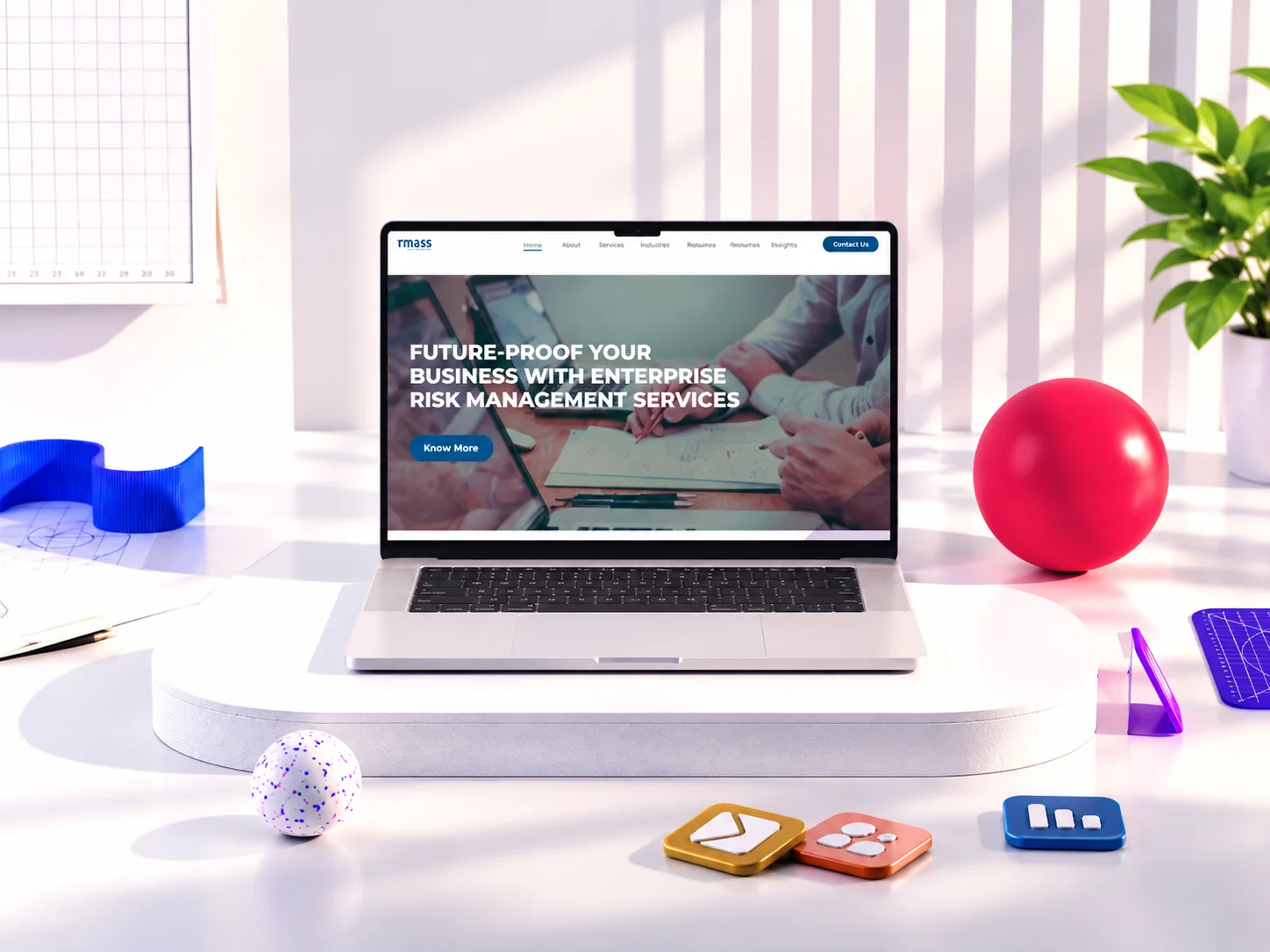
Web Development INDIA · 2026 EDITION Professional Website Development for Consulting Firms: The RMAS Case Study BloomX Editorial Web Development
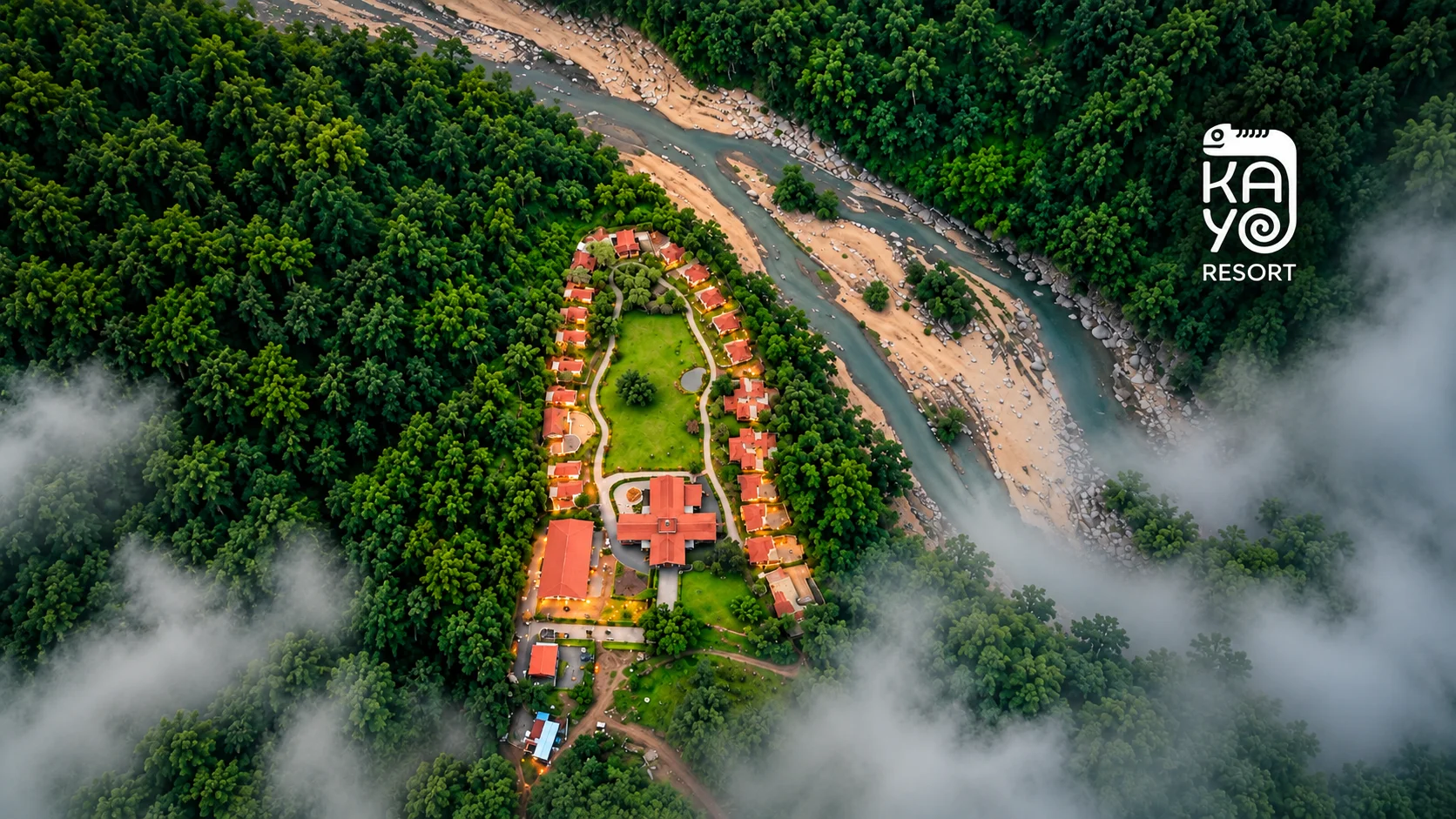
Branding & Design INDIA · 2026 EDITION Branding for Resorts: How an Agency Builds a Resort Brand from Scratch BloomX