
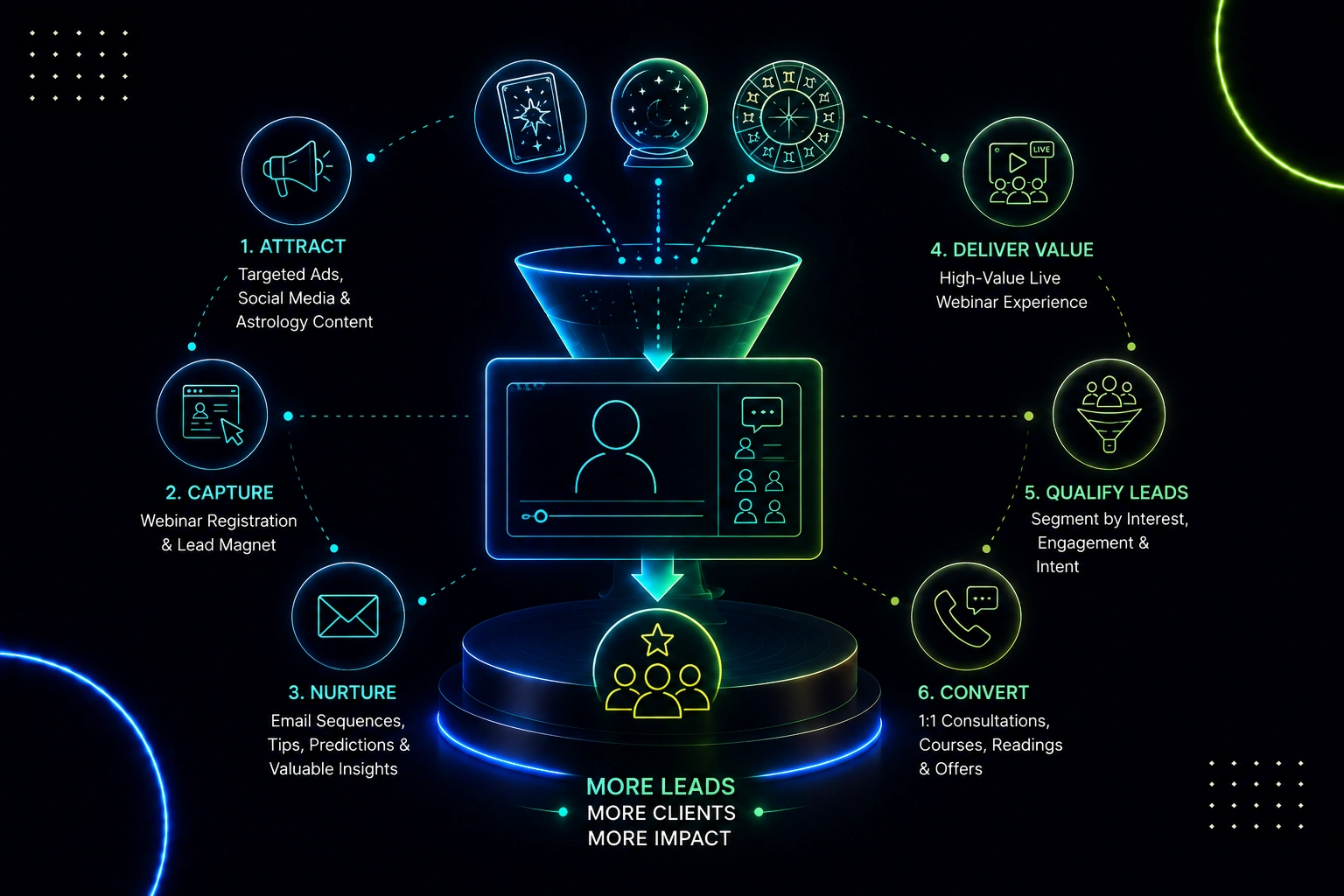
Digital Marketing INDIA · 2026 EDITION Webinar Funnels for Astrology, Tarot & Occult Businesses: How to Generate More Leads OnlineBloomX
Google isn’t the only search engine that matters anymore. And “ranking” doesn’t mean what it used to.
Here’s what’s actually happening right now.
Someone opens Perplexity and types: “best SEO agency for a fintech startup in India.” The AI reads hundreds of sources, builds an answer, and names two companies. Yours isn’t one of them.
Someone asks ChatGPT: “how do I drive organic traffic to a new website?” It responds with a step-by-step breakdown. It cites three blogs. Yours isn’t one of those either.
This isn’t a Google ranking problem. It’s a visibility architecture problem. And the fix isn’t what you think.
Traditional SEO got you to page one. GEO and AEO get you inside the answer. That’s where the discovery is happening in 2026 – not on page one. Inside the response.
This guide breaks down exactly what GEO and AEO are, how they work, why they’re different from everything you’ve done before, and what you need to do – step by step – to start showing up where your customers are actually looking.

These aren’t buzzwords. They’re two distinct strategies that address two different problems.
The problem it solves: AI engines like Google AI Overviews, Perplexity, and ChatGPT Search generate their own answers. They pull from sources they trust. If your site isn’t one of those trusted sources, you get left out – even if you rank on page one.
What GEO is: Optimising your content and your brand’s digital footprint so that AI-powered search engines actively choose to reference, cite, and include you in the answers they generate.
It’s not about keywords in the traditional sense. It’s about topical authority, content structure, entity signals, and being present on the sources that AI engines already trust.
GEO asks: “Will the AI include my brand when it answers a question in my category?”
The problem it solves: A huge chunk of searches now end without a click. The user gets their answer directly on the results page – through a featured snippet, a People Also Ask box, or a voice search result. If your content isn’t structured to be pulled into those positions, you lose visibility even when you technically “rank.”
What AEO is: Structuring your content specifically to win zero-click answer positions – the direct responses that appear above organic results and inside AI-generated summaries.
AEO asks: “Will my content be the answer that gets displayed?”
Don’t throw out your SEO playbook. Traditional SEO is still the foundation. But in 2026, it plays a narrower role.
Traditional SEO | GEO | AEO | |
Goal | Rank on page 1 | Get cited by AI | Win zero-click positions |
Primary input | Keywords + backlinks | Topical authority + entity signals | Structured Q&A content |
Measured by | Keyword rankings, traffic | AI citation frequency, brand mentions | Featured snippet wins, PAA positions |
Best for | Transactional / commercial queries | Informational + category queries | Direct question queries |
Still relevant? | Yes – as foundation | Yes – new layer | Yes – new layer |
Here’s the uncomfortable truth for most SEO managers and business owners.
Your Search Console shows healthy rankings. Traffic looks stable. But your AI search visibility is essentially zero. And that’s a problem because AI-powered search is where a fast-growing share of discovery queries now happen – especially for high-intent, research-heavy categories like fintech, healthcare, edtech, B2B services, and professional services.
Here’s where the blind spot comes from:
Blind spot #1: You’re optimising for keywords, not topics. AI engines don’t rank keywords. They evaluate topical authority. A site with 5 deeply comprehensive articles on a subject outperforms a site with 50 shallow keyword-optimised posts in AI citation.
Blind spot #2: Your content answers the SEO brief, not the user’s actual question. Most SEO-written content is structured to rank. Not to answer. AI engines need content that directly, clearly, concisely answers a specific question – in the first sentence, not buried in paragraph seven.
Blind spot #3: You have no entity presence. If Google’s Knowledge Graph, Wikidata, and your schema markup can’t tell AI engines exactly what your brand is, who you serve, and what category you belong to, you’re invisible to the citation layer of AI search.
Blind spot #4: Your PR and SEO strategies live in separate worlds. Every press mention is a citation signal. Every authoritative third-party reference to your brand is AI fuel. If your PR team and your SEO team aren’t working from the same authority-building strategy, you’re leaving the most powerful GEO signal on the table.
No fluff. Here’s what you actually need to do.
Before any content strategy, you need to make sure AI engines can clearly understand who you are.
Do this:
This is your foundation. Without it, everything else delivers half the result.
AI engines extract answers. They don’t browse. Every page on your site that covers an important topic needs to be restructured so that a machine can pull a clean, direct answer within the first 60–80 words of any section.
The AEO content formula:
H2 Heading = The question your audience is asking
First paragraph = Direct 40–60 word answer to that question
Remainder of section = Supporting detail, context, examples
Do this:
One of the most common GEO mistakes: publishing lots of surface-level content across many topics.
AI engines don’t reward breadth. They reward depth and consistency within a specific topic cluster.
A fintech brand that has published 15 comprehensive articles covering every dimension of education financing – fee protection, EMI structures, institutional risk, student financing options, regulatory context – has strong topical authority in that subject. An AI engine generating an answer about education fintech will cite that brand because it has demonstrated sustained, comprehensive expertise.
A brand with one thin overview post doesn’t get cited.
Do this:
This is the highest-leverage GEO activity – and the most underestimated.
Your own content is a weak citation signal. AI engines understand that your website is self-authored. What builds genuine citation authority is independent, third-party references to your brand from sources that AI engines already trust.
In India, those trusted sources include national press (Economic Times, Mint, The Hindu, Business Standard), startup media (Inc42, YourStory, Entrepreneur India), vertical publications in your category, high-authority directories, and established review platforms.
Do this:
Technical SEO still matters. But in the GEO/AEO era, the specific technical priorities have shifted.
Do this:

Still unsure how GEO actually differs from what you’ve been doing? Here it is, bluntly:
Traditional SEO is about signals to Google’s ranking algorithm. You build backlinks, optimise keywords, improve page speed, and earn positions in an ordered list. Success is measured by rank position and organic traffic volume.
GEO is about signals to AI comprehension engines. You build topical authority, entity clarity, content extractability, and third-party citation presence. Success is measured by how often and how confidently AI systems choose to reference your brand in relevant answers.
The mechanics overlap – technical hygiene, content quality, and authority signals matter in both – but the output goal is completely different. Traditional SEO wants your page in a list. GEO wants your brand inside an answer.
And the audience’s reach difference is significant. Traditional SEO captures users who click on links. GEO captures users who never click – they get their answer from the AI response and act on what the AI said.
In 2026, that’s not a niche segment. That’s a growing majority of informational and research queries.
At BloomX, we started building GEO and AEO-first strategies for our clients before most agencies were using either term. The reason is simple: the brands we work with can’t afford to rely on a single channel, and organic visibility through AI search is too significant to leave to chance.
Our approach for every client’s SEO and content engagement includes:
The result: clients who come to BloomX with no AI search presence start appearing in AI-generated answers within 3–6 months of the strategy taking effect.
The most direct proof of this approach working from a standing start is Flashaid – an Indian ed-fintech startup offering loan-free, EMI-based education financing for students and institutions.
When Flashaid came to BloomX, they had a genuinely strong product – but zero digital footprint. No website visibility. No organic traffic. No content presence. No rankings. Not even a category-defining keyword strategy. And they were operating under compliance constraints that prevented them from using conventional finance-heavy keywords.
This is the hardest starting point in SEO. And it’s exactly the scenario where GEO and AEO-first thinking matters most.
What BloomX built:
The results in 90 days: Multiple #1 Google rankings. Significant growth in daily organic traffic. A lead pipeline where a meaningful percentage converted to sales-qualified opportunities – from a starting point of absolute zero.
Read the full Flashaid case study →The compliance-driven need for category-defining keywords over generic ones, the educational content structure, the schema-first technical setup – every element of Flashaid’s strategy was built for exactly the kind of AI-citation authority this guide describes. It worked in traditional search. The same foundations now feed AI search citation.
Go through this list. Every “no” is a gap between you and AI search visibility.
Entity & Structure
Content Architecture
Third-Party Authority
Technical GEO
Count your “yes” answers. Under 10 – you have significant GEO exposure. 10–15 – good foundation, room to grow. 15–20 – strong position, focus on compounding.
Realistic expectations matter.
Weeks 1–4: Foundation work – entity setup, schema implementation, technical fixes. No visible results yet. Essential groundwork.
Weeks 4–12: Content and FAQ structure improvements begin showing results in featured snippets and PAA boxes. Early AI citation appearances in niche queries. Traditional rankings begin improving from the cleaner content structure.
Months 3–6: Topical authority begins compounding. Content clusters start ranking for cluster-level queries, not just individual articles. AI Overview appearances increase as Google’s confidence in your topical authority grows.
Months 6–12+: Full compounding effect. PR citations, topical authority, and structured content reinforce each other. Brand begins appearing consistently in AI-generated answers for category-level queries across Google, Perplexity, and ChatGPT Search.
The timeline is longer than a paid campaign. The result is durable in a way paid campaigns never are.

AI search is not the future. It’s the present – and it’s growing every month.
The business owners and SEO managers who treat GEO and AEO as “something to look into later” are making the same mistake as the people who decided social media was a fad in 2010. By the time they adapted, the early movers had already built the audience, the authority, and the infrastructure.
The good news: the steps are clear. The framework exists. The technical work is achievable. And the brands that start building AI search visibility now will compound that advantage for years.

READY TO SCALE SMARTER
Stop guessing.
Start compounding.
Book a free strategy call with BloomX and see what AI-powered performance marketing can do for your ROAS – or explore what we’ve built for brands like yours.
Digital Marketing INDIA · 2026 EDITION Webinar Funnels for Astrology, Tarot & Occult Businesses: How to Generate More Leads OnlineBloomX
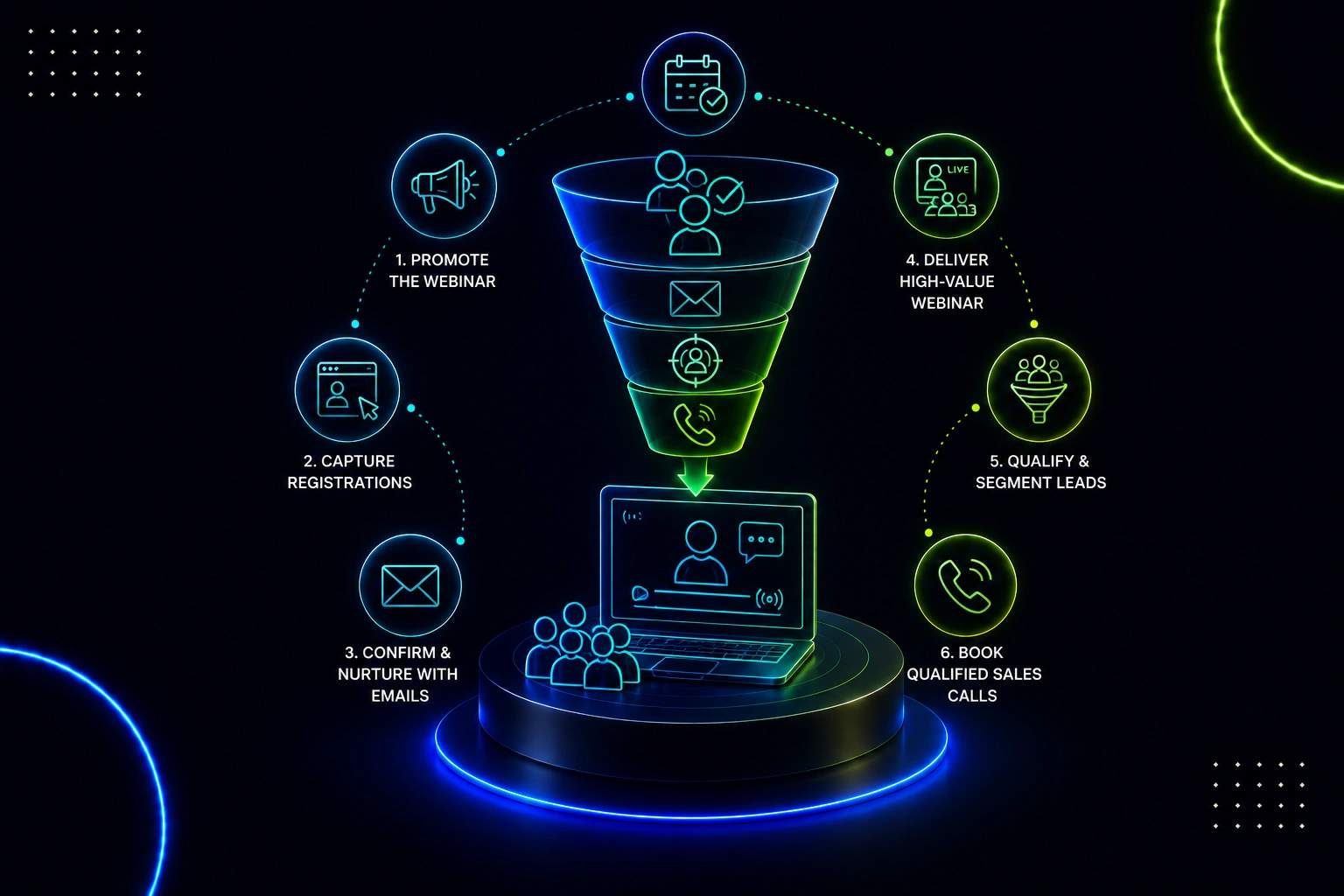
Performance Marketing INDIA · 2026 EDITION Webinar Lead Generation: How to Turn Registrations into Qualified Sales Calls BloomX Editorial Performance
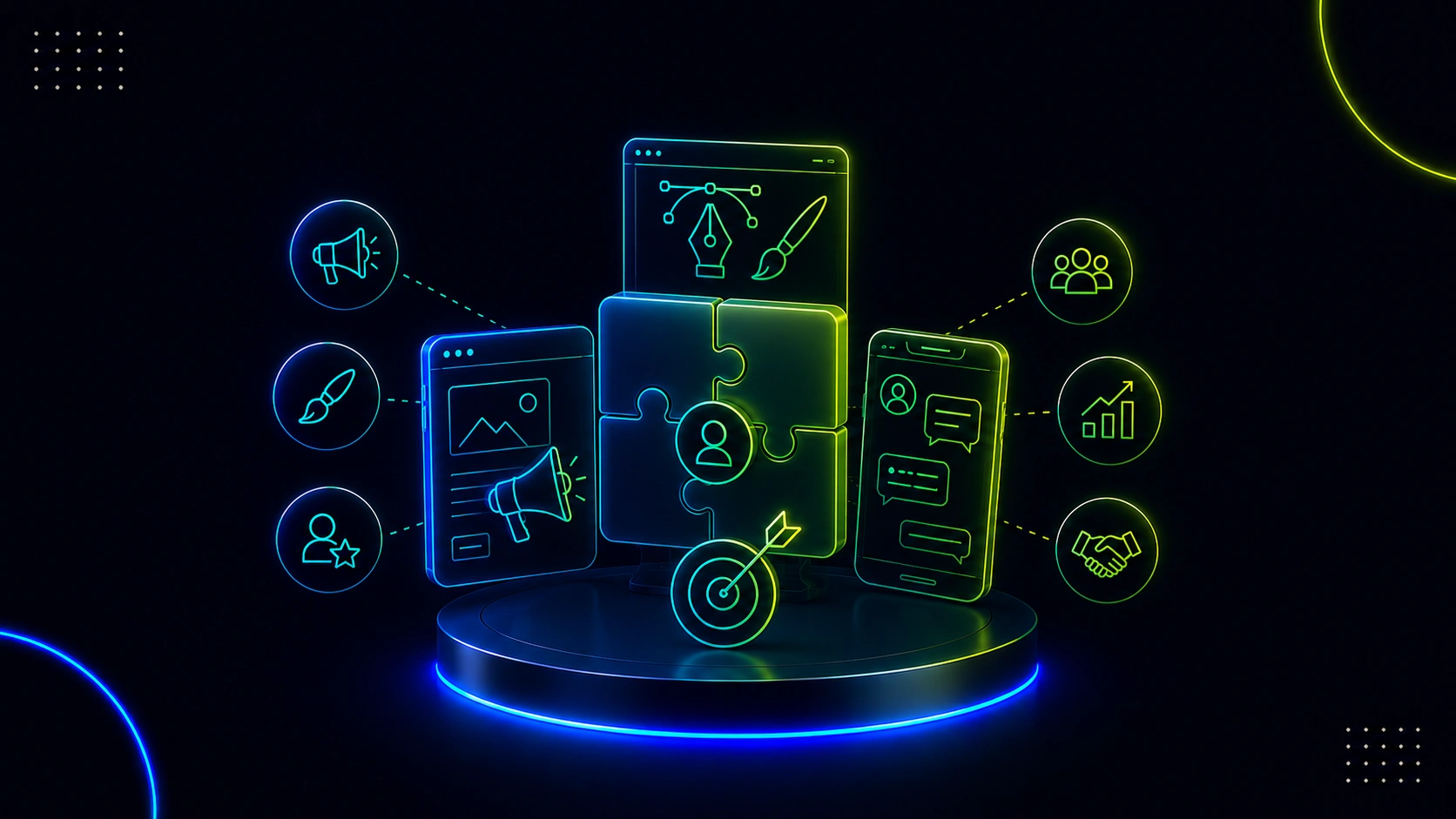
Marketing Automation INDIA · 2026 EDITION The Real Reason Your Ads, Your Creative and Your Follow-Ups Never Feel Like the