

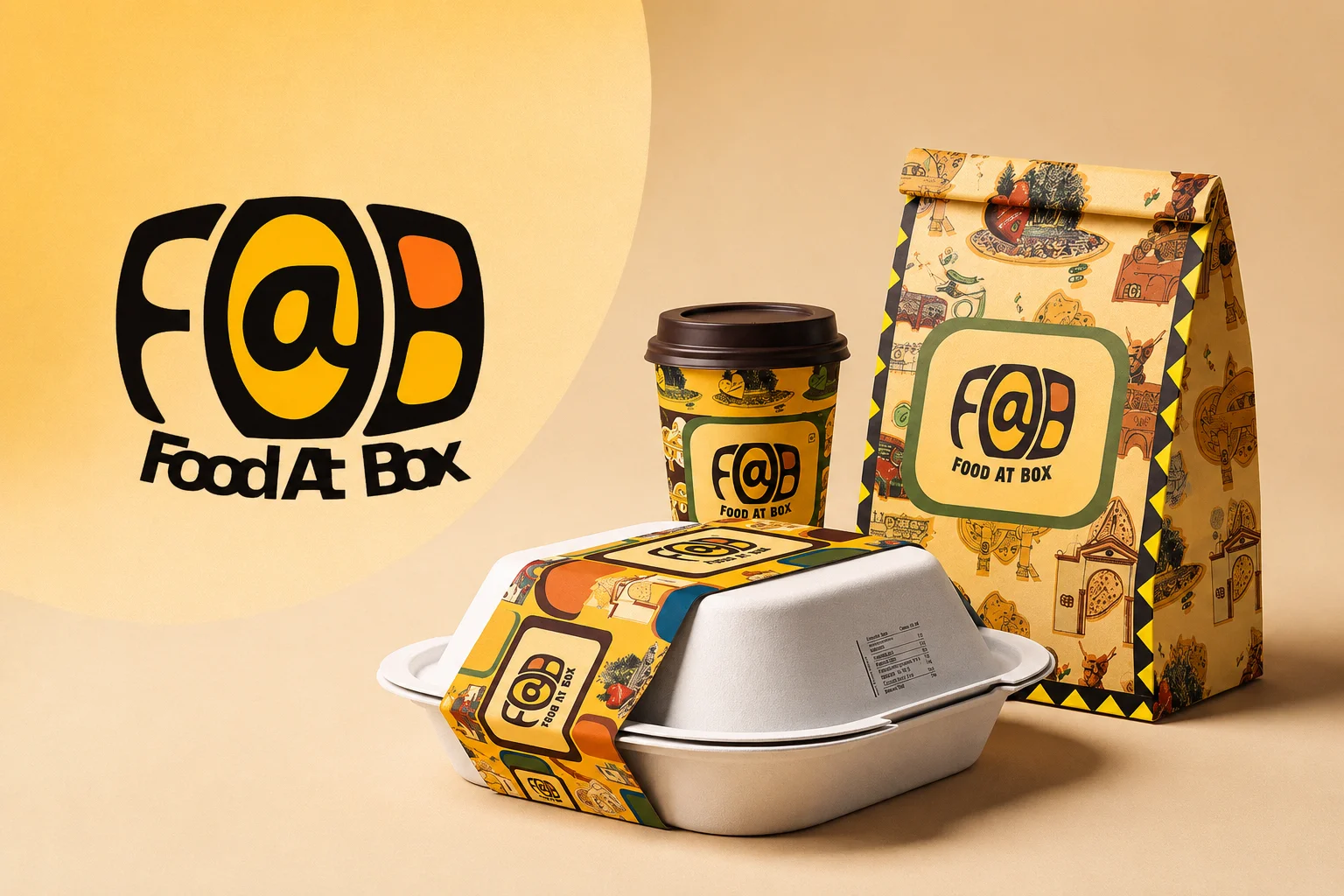
Graphic Design INDIA · 2026 EDITION Food At Box: Creating a Distinctive Identity in a Competitive Food IndustryBloomX EditorialGraphic Design📅
SEO (Search Engine Optimization) is the process of improving your website's visibility on Google so potential customers can find you organically without paying for ads. It works by building your site's authority, relevance, and trust over time. Most business owners ask the same question before investing: how long does SEO take? The honest answer is 3 to 12 months but the real timeline depends on your industry, competition, website age, and strategy quality.
If you've been told you'll rank on Page 1 in 30 days, you've been misled. SEO is not a quick fix, it's a compounding investment. And for businesses that commit to it properly, the returns are extraordinary.
In this guide, we'll break down a realistic SEO results timeline, what to expect at each stage, what factors affect Google ranking time, and how businesses like Flashaid, Opulin, PFC Club, and Prateek Garg have used SEO to build lasting online growth with BloomX Solutions.

Most business owners expect SEO to work like paid ads, spend money, and see instant results. That's not how SEO works, and misunderstanding this leads to wasted budgets and abandoned strategies.
SEO is a long-term growth channel. Unlike Google Ads where your visibility stops the moment your budget runs out, SEO builds compounding momentum. Every blog post you publish, every backlink you earn, and every page you optimize adds to a growing foundation that keeps working for you 24/7.
The reason timelines vary so widely is that Google's algorithm considers hundreds of signals domain age, content quality, backlink profile, page speed, user experience, and topical authority. A new website in a low-competition niche might see rankings within 3-4 months. A new website competing in a saturated market like finance or healthcare may take 12-18 months to reach Page 1.
The key mistake businesses make is quitting at month 3, just before the growth curve begins to steepen. SEO rewards patience and consistency above all else.
A realistic SEO results timeline follows four distinct phases: foundation, momentum, visibility, and authority. Most websites begin seeing measurable results between months 3 and 6, and significant first-page rankings between months 6 and 12.
Here's how the typical SEO journey breaks down:
Month 1–2: Foundation & Technical Setup This is the groundwork phase. Your SEO partner audits your website, fixes technical issues (broken links, slow page speed, indexing errors), conducts keyword research, and builds your content strategy. You won't see a ranking movement yet Google is still crawling and evaluating your changes.
Month 3–4: Content & On-Page Optimisation Your optimised pages begin to get indexed. You'll notice impressions rising in Google Search Console, with some long-tail keywords entering the top 30–50 results. Blog content starts driving early organic traffic. This is where momentum quietly builds.
Month 5–6: First Real Visibility Properly targeted pages begin appearing in the top 10–20 results for less competitive keywords. Organic traffic increases meaningfully. If your site has been consistently publishing quality content and earning backlinks, some terms may crack the top 10 by month 6.
Month 7–12: Page 1 Rankings & Compounding Growth This is where the investment truly pays off. Well-optimised pages reach Page 1 for primary and secondary keywords. Organic traffic grows month-on-month. Your site begins ranking for dozens of related terms you didn't even specifically target a sign of topical authority.

Understanding the timeline is one thing, seeing it in action is another. Here's how BloomX Solutions has helped real businesses navigate their SEO journey and come out stronger.
Opulin, a luxury home décor brand under Sources Unlimited offering artisanal sculptures, fine tableware, handwoven carpets, and curated luxury gifts, came to BloomX with a strong offline reputation but almost no digital footprint, no e-commerce platform, low brand recall, and no structured SEO strategy to attract high-value buyers searching online.
BloomX built an SEO engine specifically designed to put Opulin in front of high-intent luxury shoppers, not just generic traffic:
SEO was just one layer of a broader digital transformation that also included a premium e-commerce build with CGI/3D product visualisation, aspirational social content, performance marketing, and WhatsApp/email automation for personalized nurturing. Combined, this took Opulin from an offline-only brand to a site with 10K+ active website users, sales-qualified lead growth, and CGI campaign videos generating 1.5 lakh+ views a clear example of the "Month 6-12: Page 1 rankings and compounding growth" phase described earlier in this guide playing out in a real, premium-niche business.
For new websites, SEO typically takes 6 to 12 months to show meaningful Page 1 rankings. A brand-new domain starts with zero authority, no backlink history, and no indexing footprint which means Google needs time to crawl, evaluate, and trust your site before rewarding it with high rankings.
This is called the "Google Sandbox" effect, an informal term for the period during which new websites seem to be held back from top rankings regardless of content quality. Most SEO professionals estimate this period lasts 3–6 months for new domains.
To accelerate SEO for new websites:
Established websites with existing domain authority can move faster sometimes seeing meaningful movement in 3-4 months because Google already has a trust baseline for their domain.
Google ranking time is not fixed; it varies significantly based on a combination of internal and external factors. Understanding these helps you set smarter expectations and make better decisions about your SEO investment.
Competition Level Ranking for "best restaurants in Indore" is very different from ranking for "best restaurant in India." The more competitive the keyword, the longer it takes. Niche and local keywords tend to rank faster; broad national or global keywords require sustained effort over 12+ months.
Website Age and Domain Authority Older domains with a history of quality content and backlinks rank faster. A five-year-old domain with 200 backlinks pointing to it has a head start that a brand-new domain simply doesn't have.
Content Quality and Publishing Frequency Google's algorithm prioritises content that genuinely answers user intent. Thin, generic content stalls. Original, in-depth, well-structured content with proper keyword usage published consistently accelerates rankings.
Backlink Profile Backlinks from relevant, authoritative websites act as votes of confidence in Google's eyes. One quality backlink from a trusted domain can move the needle more than 100 low-quality directory links.
Technical SEO Health A site with slow load times, crawl errors, duplicate content, or poor mobile experience will struggle to rank regardless of content quality. Technical SEO is the foundation everything else is built on.
Consistency of Effort SEO compounds. Businesses that publish regularly, earn backlinks consistently, and optimize continuously see exponentially better results than those who do a one-time "SEO fix" and stop.
Knowing when to expect SEO results helps you stay the course and make data-driven decisions rather than panicking when rankings don't appear overnight.
Here are the key milestones to track across your SEO journey:
Milestone | Typical Timeframe |
Site fully crawled and indexed | 2–4 weeks |
Impressions rising in Search Console | Month 1–2 |
Long-tail keywords in top 30–50 | Month 2–3 |
First top 10 rankings (low competition) | Month 4–5 |
Consistent organic traffic growth | Month 5–6 |
Primary keyword on Page 1 | Month 6–12 |
Full ROI from SEO investment | Month 9–18 |
For businesses evaluating SEO as an investment, the return on investment from organic search is among the highest of any digital marketing channel precisely because the results are durable, compounding, and not dependent on an ongoing ad spend.
Unlike paid advertising, where traffic stops the moment you stop paying, SEO traffic continues to grow even when your activity slows. A Page 1 ranking earned today can keep driving leads and sales for months or years with minimal maintenance.
The businesses that see the best SEO ROI share three traits: They invest in quality over shortcuts, they commit for a minimum of 6–12 months, and they work with an experienced SEO partner who understands both technical fundamentals and content strategy.
BloomX Solutions has helped businesses across healthcare, lifestyle, fitness, and personal branding including Flashaid, Opulin, and PFC Club, build organic growth that continues to compound long after the initial investment.

The best time to start SEO was yesterday. The second best time is today. Every month you delay is a month your competitors are pulling further ahead on Google.
SEO is a long game but every day you wait is a day your competitors are compounding their advantage. BloomX Solutions builds data-driven SEO strategies that deliver real, lasting organic growth for businesses ready to invest in their digital future.

READY TO SCALE SMARTER
Stop guessing.
Start compounding.
Book a free strategy call with BloomX and see what AI-powered performance marketing can do for your ROAS – or explore what we’ve built for brands like yours.
Graphic Design INDIA · 2026 EDITION Food At Box: Creating a Distinctive Identity in a Competitive Food IndustryBloomX EditorialGraphic Design📅

Graphic Design INDIA · 2026 EDITION How Kuku FM Built a Distinctive Brand Through Strategic Creative Thinking BloomX Editorial Graphic

Digital Marketing INDIA · 2026 EDITION Why Small Businesses Need Digital Marketing BloomX Editorial Digital Marketing 📅 October 2026⏱ 12