

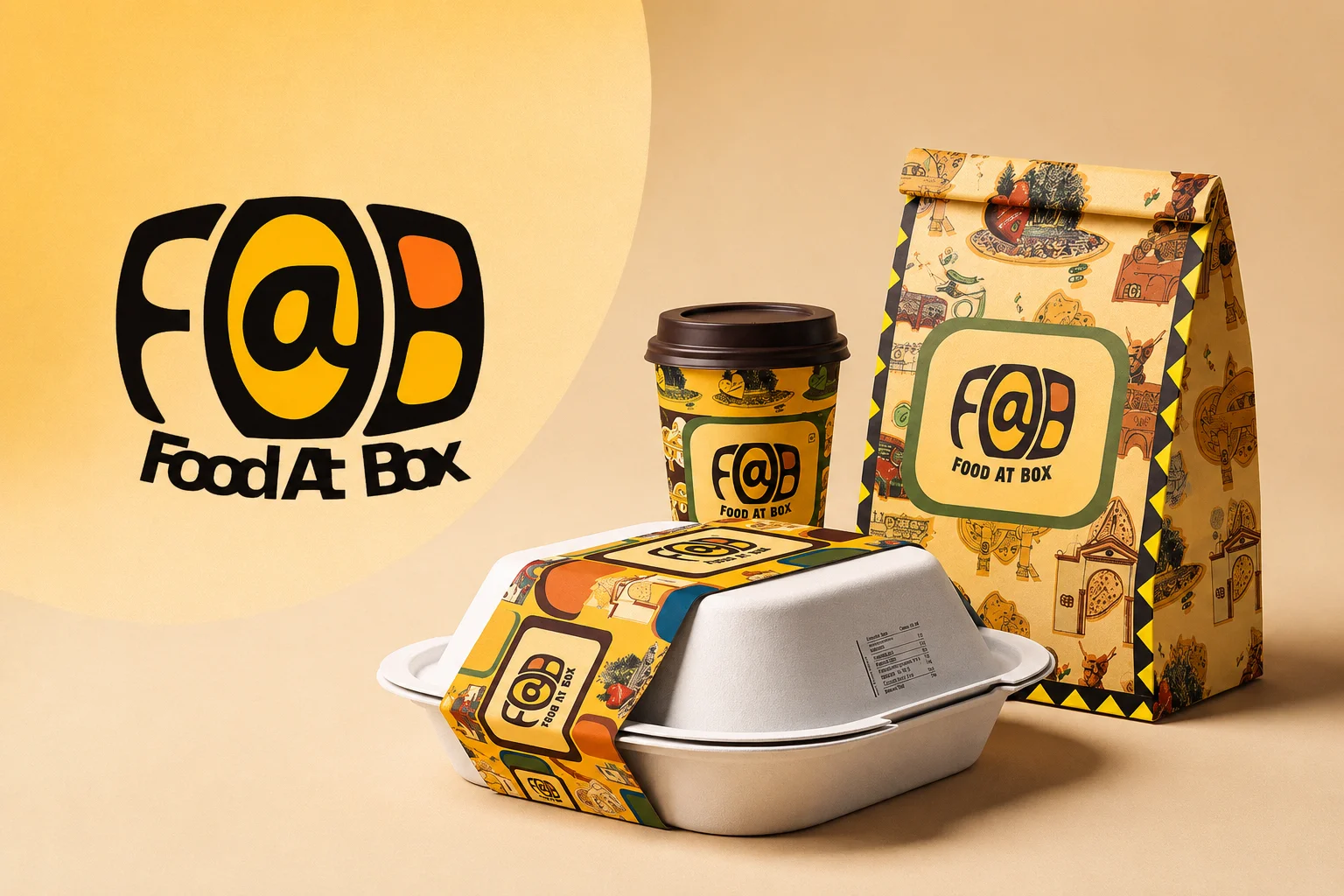
Graphic Design INDIA · 2026 EDITION Food At Box: Creating a Distinctive Identity in a Competitive Food IndustryBloomX EditorialGraphic Design📅
Here's a number most founders past the first crore already feel in their gut: The first order rarely pays for itself. Say your blended CAC on Meta is ₹650 and your average first order is ₹1,100 with a 45% contribution margin. You've made roughly ₹495 on that customer. You're still ₹155 short.
The second order fixes that. The third makes you money.
That's why customer retention marketing is the most underfunded line in most Indian D2C P&Ls. Acquisition gets a war room during Big Billion Days. Retention gets a newsletter someone writes on Friday evening. At BloomX we see this pattern in nearly every D2C audit we run, and the fix is almost never "send more emails." It's knowing who to talk to, and what to say to them at the moment they're most likely to buy again.
Two tools do most of that work. RFM segmentation tells you who. D2C lifecycle marketing flows tell you when and what.
RFM scores every customer on three behaviours from your order data:
Recency: How many days since their last order.
Frequency: How many orders they've placed in total.
Monetary: How much they've spent across all orders.
Each customer gets a score from 1 to 5 on each axis, usually by splitting your customer base into quintiles. A customer who ordered 12 days ago, has placed six orders and sits in your top 20% by spending scores 5-5-5. Someone who bought once, 240 days ago, for ₹499 scores 1-1-1.
The groups matter more than the scores. Six segments cover most decisions you'll make:
If you're on Klaviyo, its Marketing Analytics add-on can group customers by RFM automatically. If you aren't, a Shopify order export and a spreadsheet gets you 90% of the way in an afternoon.
One India-specific adjustment we always make: Split out COD customers who've had an RTO. A customer with two delivered orders and one returned-to-origin parcel shouldn't sit in the same bucket as a clean prepaid buyer, even if their RFM scores match.
Flows are automated sequences that fire when a customer does something, or stops doing something. When we set up Klaviyo flows for Indian brands, we pair email with WhatsApp through the brand's BSP, because a WhatsApp message in India gets opened in minutes while an email can sit for days.
Triggered on signup, before any purchase. Three to four messages over ten days: brand story, bestsellers with real reviews, then a first order incentive on the last message only. Leading with the discount trains people to wait for one.
The flow with the fastest payback. Send the first reminder within an hour, a second at 24 hours with reviews of that exact product, and a third only if the cart value justifies it. For COD heavy categories, test a small prepaid nudge in message two. It lifts margins and cuts RTO at the same time.
Most brands send an order confirmation and go silent. Use this window instead. Tell customers when it ships, how to use the product, and what to expect in week one. A skincare brand explaining that mild tingling on day two is normal prevents a return and a one star review.
This is the flow that moves your repeat purchase rate more than any other. Time it to your product's real usage cycle. A 30 day supplement pack needs a nudge on day 24. A 200 ml face wash lasts about seven weeks. Pull the median days between first and second order from your data and trigger a few days before it.
Ask after the product has been used, not after it's been delivered. For apparel that's around day 7; for skincare, closer to day 21. Offer loyalty points for a photo review. Those photos feed your Meta ads and product pages, so this flow pays twice.
Aimed at your at risk and hibernating segments. Start with a "here's what's new" message, then a personal note from the founder, and only then an offer. If a customer ignores all of it, suppress them from regular sends. It protects inbox placement for everyone else.
For Champions. Early access to new launches, free shipping without a minimum, a birthday message, a handwritten card in the box during Diwali. None of this needs a discount. They want to feel noticed.

Eyewear is a tricky retention category. Frames get replaced maybe once every 18 months, so most brands write off the first buyer and pour budget back into acquisition.
When we started working with Poppy Eyewear in 2024, we put repeat customers on the results dashboard from day one, right next to ROAS and monthly units sold, with the same weekly scrutiny. Within a year, Poppy reached a 5.33x ROAS, grew website traffic 15x and sold 1,000+ units in a single month.
The number we're proudest of: 60% of its customers came back to buy again.
Those numbers are connected. Every returning buyer is revenue with close to zero CAC attached, and that's what keeps ROAS healthy as spend grows.
The figures on the live Poppy page are animated counters, so crawlers see zeros there. This blog is the first place the numbers exist as crawlable static text. The case study page itself still needs the static HTML fallback fix for its own counters.
Repeat purchase rate is the share of customers who've placed more than one order in a defined window. The window is where most brands fool themselves. A lifetime figure flatters you because old cohorts have had years to come back.
Measure it by cohort instead. Take everyone who made a first purchase in March, and track what share placed a second order within 60, 90 and 180 days. Compare that against April's cohort. If a new flow is working, newer cohorts will cross the 90 day mark with a higher repeat rate than older ones did.
Watch three other numbers alongside it: Median days to second order, revenue from flows as a share of total email and WhatsApp revenue, and unsubscribe rate per flow. A flow that drives revenue but triples unsubscribes is borrowing from next quarter.
Start with one segment and one flow this week. Pull your RFM groups, build the second purchase nudge for your promising first timers, and check the 60 day cohort in two months. That one change will teach you more than any benchmark report.
READY TO SCALE SMARTER
Stop guessing.
Start compounding.
Book a free strategy call with BloomX and see what AI-powered performance marketing can do for your ROAS – or explore what we’ve built for brands like yours.
Graphic Design INDIA · 2026 EDITION Food At Box: Creating a Distinctive Identity in a Competitive Food IndustryBloomX EditorialGraphic Design📅

Graphic Design INDIA · 2026 EDITION How Kuku FM Built a Distinctive Brand Through Strategic Creative Thinking BloomX Editorial Graphic
Digital Marketing INDIA · 2026 EDITION Why Small Businesses Need Digital Marketing BloomX Editorial Digital Marketing 📅 October 2026⏱ 12