
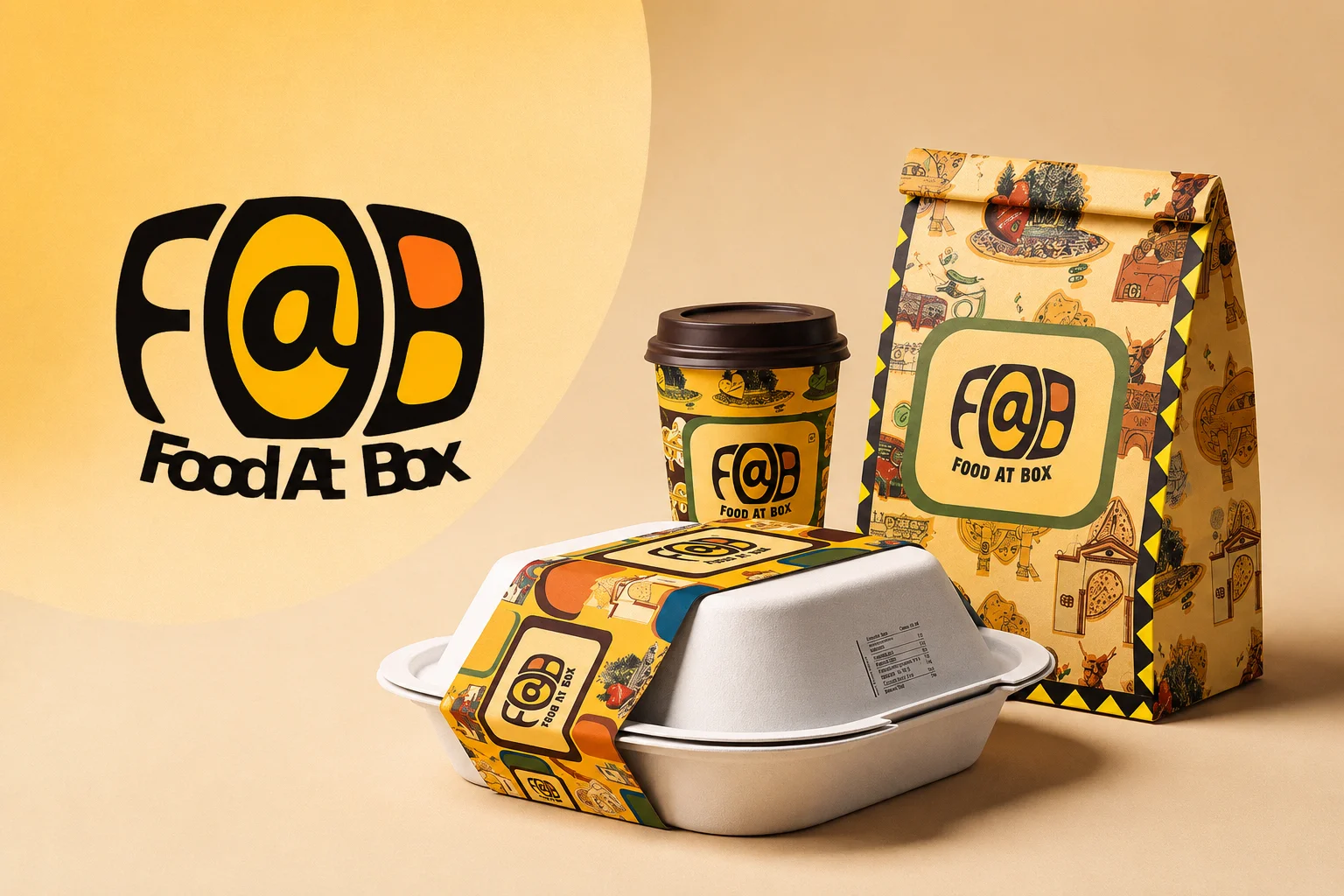
Graphic Design INDIA · 2026 EDITION Food At Box: Creating a Distinctive Identity in a Competitive Food IndustryBloomX EditorialGraphic Design📅
A local SEO strategy in 2026 is the process of optimising your business’s online presence so it appears at the top of Google Maps and local search results when nearby customers are actively looking for your products or services. It works by combining Google Business Profile signals, NAP citation consistency, localised website content, and review authority to tell Google exactly who you are, where you are, and why you deserve the top spot.
Here’s the uncomfortable truth: over 76% of people who search for something nearby on their phone visit a business within 24 hours and the businesses they visit almost exclusively come from the top three results on Google Maps (the “Local Pack”). If your business isn’t in that pack, you’re invisible to the majority of your city’s ready-to-buy customers.
Whether you run a restaurant, a dental clinic, a law firm, or a retail store, local search is no longer optional; it’s the single most high-intent traffic channel available to you. And in 2026, the rules have evolved.
In this guide, BloomX Solutions breaks down exactly what it takes to claim the #1 spot on Google Maps from your Google Business Profile to NAP citations, review strategy, and the on-page signals that now matter more than ever.

What Is the Google Maps Local Pack and Why Does It Control Your Foot Traffic?
The Google Maps Local Pack also called the “3-Pack” is the block of three business listings that appears at the top of Google’s search results for location-based queries like “best dentist near me” or “restaurants open now in Bhopal.” Appearing in the Local Pack means your business is shown before any organic website results, making it prime digital real estate.
These three listings dominate the page. They show your business name, star rating, address, hours, and a direct link to call or get directions everything a ready-to-buy customer needs to choose you in under 10 seconds.
In 2026, Google’s ranking algorithm for the Local Pack is built on three pillars: Relevance (does your profile match the search?), Distance (how close is the searcher to your location?), and Prominence (how well-known and trusted is your business online?). Most business owners can’t control distance — but relevance and prominence are 100% within your control.
For restaurants, clinics, law firms, and retailers, the Local Pack isn’t just a nice-to-have. It is the primary source of discovery for new local customers. Miss it, and you’re handing those customers to your competitors.
Your Google Business Profile (GBP) is the single most important asset in your local SEO strategy in 2026. A fully optimised GBP tells Google — and your customers — exactly what you offer, where you are, and why you’re credible.
Here’s what a high-ranking GBP looks like in 2026:
We’ve seen this play out firsthand with Sources Unlimited, a retail client we partnered with at BloomX Solutions. When they came to us, their Google Business Profile was incomplete — outdated photos, a generic business category, and zero activity in the Posts section. They were barely visible in their local area despite being an established name.
We overhauled their entire GBP: sharpened their business category, rewrote their description with service-specific and location-specific keywords, built a consistent weekly posting schedule, and systematically addressed every Q&A on their profile. Within a few months, Sources Unlimited saw a meaningful jump in profile views, direction requests, and calls directly attributed to Google Maps — all without running a single paid ad.
The lesson? The businesses that dominate the Local Pack in 2026 treat their Google Business Profile like a living marketing asset — not a set-it-and-forget-it directory listing. Sources Unlimited is proof that even a well-established local brand can unlock a new level of visibility simply by getting the fundamentals right.

NAP citations Name, Address, and Phone number are mentions of your business across directories, review sites, and local listings such as Justdial, Sulekha, IndiaMART, Google Maps, Facebook, and Yelp. Consistent NAP citations are a core local search ranking signal because they confirm to Google that your business is legitimate, physically present, and trustworthy.
Even a minor inconsistency “Road” vs “Rd”, a different mobile number on an old listing, or a slightly different business name creates confusion in Google’s index and can quietly erode your Local Pack rankings.
In 2026, NAP citation strategy for Indian local businesses means:
Citations don’t just improve your ranking, they also send direct referral traffic from high-authority platforms.
Google reviews are one of the top three ranking factors for the Local Pack and in 2026, they carry more weight than ever. A business with a high volume of recent, detailed, keyword-rich reviews consistently outranks competitors with fewer reviews, even when the competitor has a better website.
Google’s algorithm analyses both the quantity and quality of reviews. Here’s what it looks for:
Your 2026 review generation system should include: a WhatsApp follow-up message sent 24 hours after service with a direct Google review link, a QR code at your counter or reception, and a verbal ask from your team at the point of satisfaction. Never incentivise reviews Google’s policy prohibits it, and the risk is not worth it.
For restaurants, clinics, and retailers especially, a strong review profile is the difference between a customer choosing you or the business three doors down.
Your website is not separate from your local SEO, it is a core part of it. On-page local SEO signals tell Google’s algorithm that your website is specifically relevant to searchers in your city or neighbourhood, reinforcing your Google Maps ranking.
The most impactful on-page local SEO improvements for 2026 are:
Your website and your Google Business Profile must tell the same story, same NAP, same service descriptions, same city language. Google cross-references both when determining your local relevance.

The businesses ranking #1 on Google Maps in 2026 are not necessarily the biggest or the oldest, they are the ones who have taken local SEO seriously and built a complete, consistent, active presence everywhere their customers look.
If you’re ready to stop leaving local customers to your competitors, BloomX Solutions can build and execute a local SEO strategy tailored to your city, your industry, and your growth goals.
READY TO SCALE SMARTER
Stop guessing.
Start compounding.
Book a free strategy call with BloomX and see what AI-powered performance marketing can do for your ROAS – or explore what we’ve built for brands like yours.
Graphic Design INDIA · 2026 EDITION Food At Box: Creating a Distinctive Identity in a Competitive Food IndustryBloomX EditorialGraphic Design📅
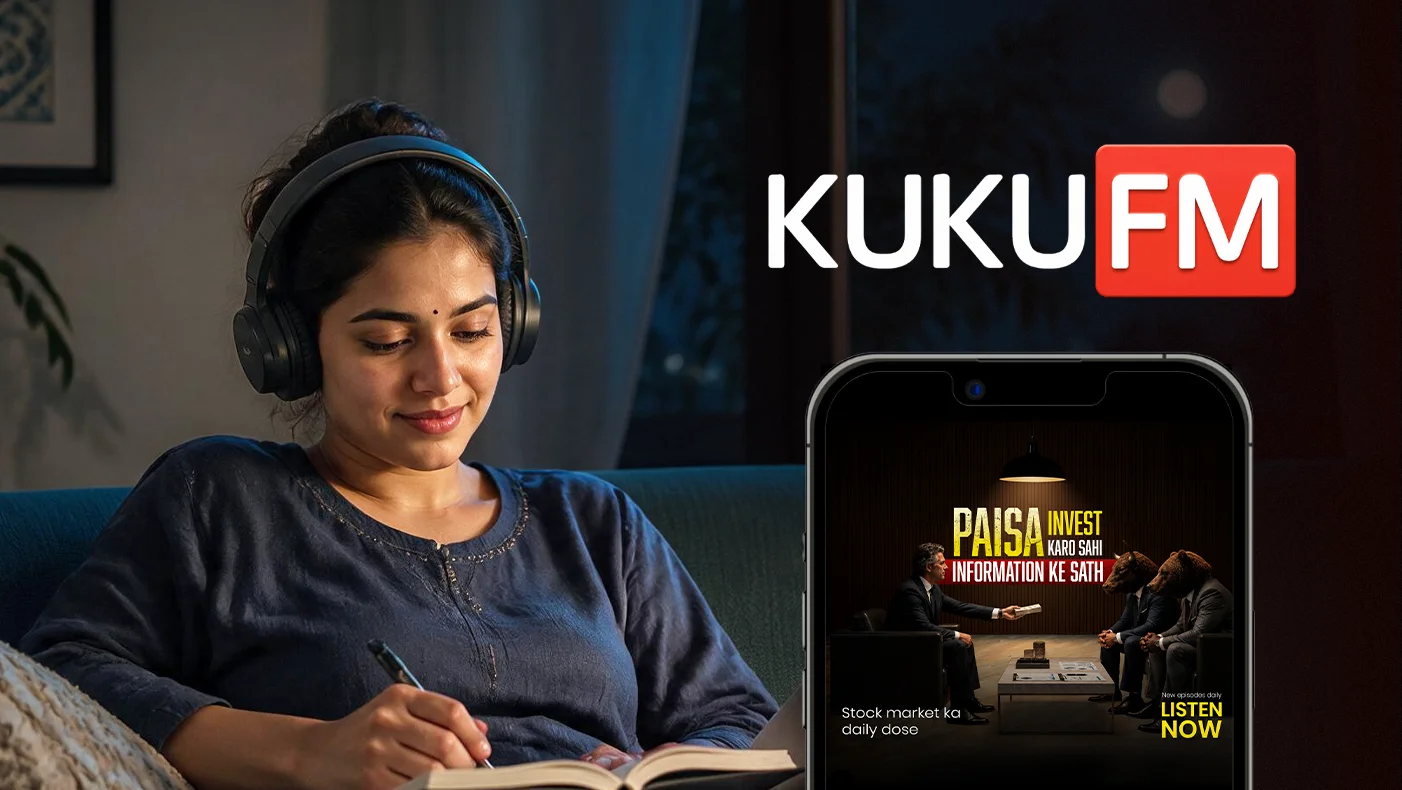
Graphic Design INDIA · 2026 EDITION How Kuku FM Built a Distinctive Brand Through Strategic Creative Thinking BloomX Editorial Graphic
Digital Marketing INDIA · 2026 EDITION Why Small Businesses Need Digital Marketing BloomX Editorial Digital Marketing 📅 October 2026⏱ 12